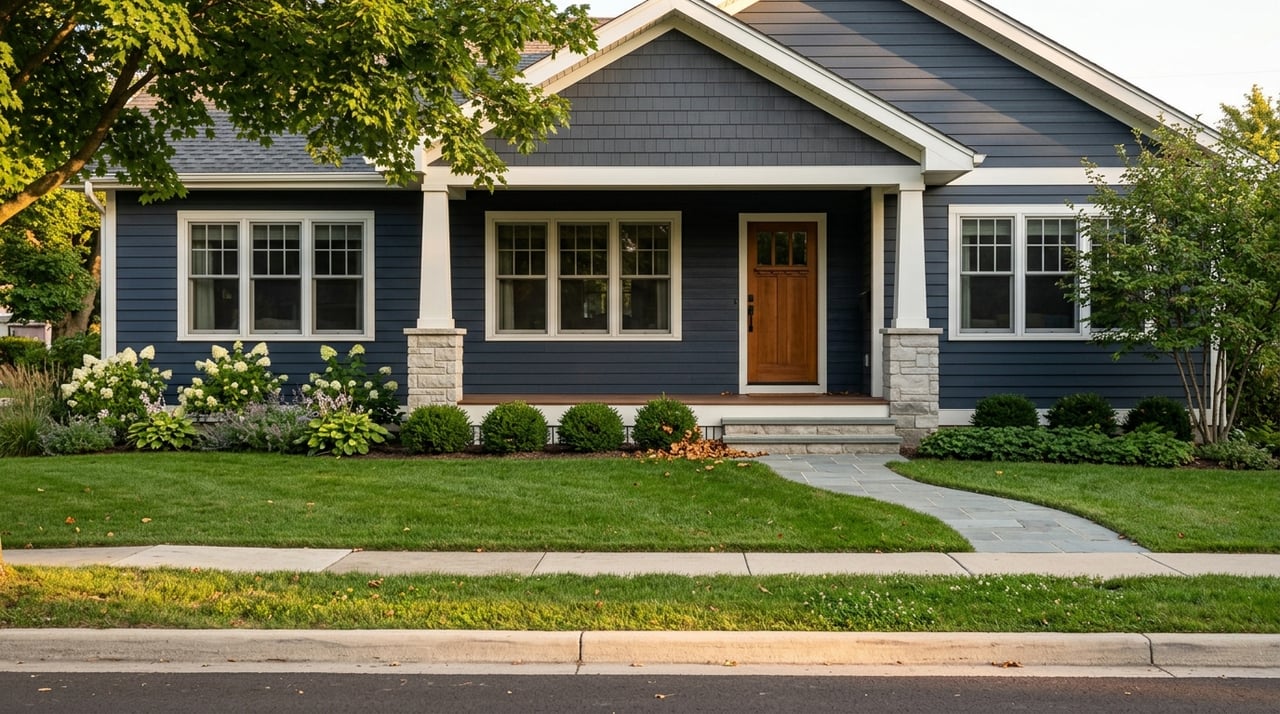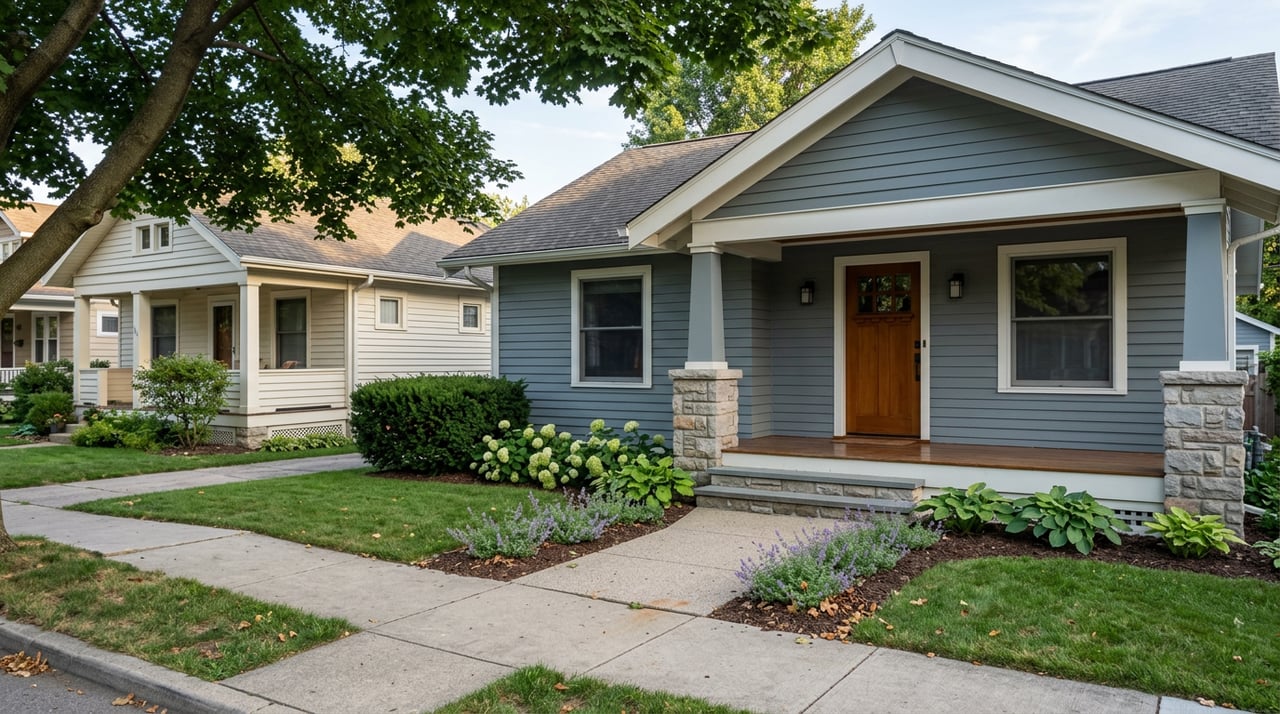
Thinking about selling your home in Wyoming, Michigan, and wondering if a pre-listing inspection is worth it? You’re not alone. Many sellers debate whether the upfront cost and effort pay off when it comes time to negotiate and close. In this guide, you’ll learn what a pre-listing inspection is, how it plays in our local market, when it makes sense, and how to use the results to protect your price and timeline. Let’s dive in.
What a pre-listing inspection covers
A pre-listing inspection is a seller-ordered home inspection completed before your home hits the market. The inspector provides a written report that highlights defects, safety issues, and maintenance items that buyers often discover later.
Most sellers start with a general home inspection that follows a recognized Standards of Practice, such as those used by InterNACHI. This typically includes the roof, structure, electrical, plumbing, HVAC, attic, and basement.
Common add-ons that can be valuable in West Michigan include:
- Radon testing with a 48-hour continuous monitor.
- Sewer line video scope to check for roots, cracks, or older clay lines.
- Pest/WDO inspection for wood-destroying organisms.
- Chimney inspection, HVAC tune-up, pool or spa inspection, or selective mold testing.
Typical cost ranges vary by size and features of the home. As a general guide, a standard inspection often runs about $300 to $600, radon testing another $100 to $200, and sewer scopes $150 to $400, according to typical ranges reported by services such as Angi. Always confirm local quotes.
Pros and cons for Wyoming sellers
A pre-listing inspection is not one-size-fits-all. Here’s a balanced look to help you decide.
Potential benefits
- Fewer surprises during escrow. You learn about issues ahead of time so you can plan repairs or set realistic expectations.
- More control over repairs. You choose contractors and timelines instead of reacting under pressure after a buyer’s inspection.
- Stronger buyer confidence. Sharing a report or summary can reduce uncertainty and discourage low offers.
- Protect your price. Fixing a major item like a roof leak or failing furnace upfront can prevent bigger concessions later.
- Faster closings. With fewer repair rounds, transactions often move more quickly.
Potential drawbacks
- Upfront cost and effort. You invest early, which can be a hurdle if you want to minimize out-of-pocket expenses.
- Buyer punch list. A detailed report can give buyers more to ask about if not framed properly.
- Market conditions matter. In a strong seller’s market, the impact can be smaller if buyers are waiving contingencies.
- Disclosure obligations. If you learn about material defects, Michigan law may require disclosure to buyers. Sellers must disclose known material defects regardless of whether they pre-inspect.
Local factors in Wyoming, Michigan
Every market has its quirks. In Wyoming and broader Kent County, a few items commonly show up on inspections.
Radon is common in Michigan
Large areas of Michigan have elevated radon potential, including Kent County. Radon is a naturally occurring gas that can enter homes through foundations. Testing is simple and often increases buyer comfort. Learn more from the U.S. EPA’s radon guidance and the Michigan radon program at EGLE.
Basements and moisture
Many West Michigan homes experience basement moisture or water intrusion due to grading, drainage, or foundation conditions. Sump pumps and downspout extensions are common improvement items. If you’ve seen signs of moisture, it’s wise to address them and consider resources from Michigan State University Extension.
Older infrastructure and seasonal realities
Older homes may have clay sewer laterals, aging HVAC or water heaters, original windows, or even knob-and-tube wiring in very old properties. Seasonal freeze-thaw cycles can affect roofs, gutters, and soffits. If you plan to list in late fall or winter, be aware that snow can limit roof visibility for inspectors. Scheduling in spring or late summer typically produces the most complete picture.
How inspection findings shape price and negotiation
When an inspection identifies defects, you generally have four options:
- Repair before listing. Remove a buyer’s leverage by fixing high-impact items in advance.
- Price for condition. Adjust list price to reflect the repair need, and disclose clearly.
- Offer a closing credit. Let buyers handle the work post-closing while you keep momentum.
- Disclose and sell as-is. Be transparent and expect a buyer-ordered inspection.
Major safety or structural defects often carry the biggest negotiation impact. Cosmetic items have less weight but can affect first impressions. Having a dated, independent report and documenting completed repairs or warranties helps limit duplicate negotiations over issues you have already handled.
Documentation that builds confidence
- Keep receipts, warranties, and contractor info for completed repairs.
- Consider a concise inspection summary that lists what you addressed and any remaining items.
- If you choose to share the full report, make sure your responses and documentation accompany it.
When a pre-listing inspection makes sense
You’ll get the most value from a pre-inspection if one or more of these apply:
- Your home is older or shows signs of deferred maintenance.
- You suspect end-of-life systems like roof, furnace, or sewer line.
- You want to sell quickly with fewer repair rounds.
- You plan to price transparently and reduce negotiation friction.
- You’re selling as-is or for-sale-by-owner and want to be prepared for buyer objections.
You might skip or streamline it if:
- The home was recently inspected, repairs are complete, and you have documentation.
- It’s new construction with a builder warranty and recent municipal inspections.
- The market is extremely hot and buyers are frequently waiving contingencies.
- You do not plan to make repairs or offer credits. You must still disclose known material defects.
Step-by-step checklist for Wyoming sellers
A clear process helps you minimize stress and maximize results.
1) Before you order the inspection
- Talk with your listing agent about current market conditions and strategy.
- Get local quotes from inspectors and ask for sample reports and references in Kent County.
- Verify credentials like membership in InterNACHI and proof of errors and omissions insurance.
2) Choose the right add-ons
- Radon test. A 48-hour test is simple and commonly requested.
- Sewer scope. Especially if your home is older or has large trees near the lateral.
- WDO/pest inspection. Helpful in older homes or where wood damage is visible.
- Chimney inspection. If you have a fireplace and expect buyer interest.
3) Use the report strategically
- Decide whether to repair, adjust price, credit at closing, or disclose as-is.
- Knock out high-impact items that commonly derail deals, like roof leaks or failing mechanicals.
- Keep tidy documentation. Share a clear summary and receipts with buyers to strengthen confidence.
4) Time it well and present professionally
- Schedule the inspection and any repairs a few weeks before listing so the report is current.
- If snow is in the forecast, remember that roof inspections may be limited. Consult your agent on timing.
- If you share the report publicly, pair it with a concise repair summary so buyers see both context and solutions.
Permits and Michigan disclosure requirements
Michigan requires sellers to complete a Residential Property Disclosure Statement and to disclose known material defects. A pre-listing inspection may surface issues that you are then obligated to disclose, even if you choose not to repair them. You can review the law through the Michigan Legislature’s resources.
If your inspection reveals work that appears unpermitted, consult the City of Wyoming’s Building Department about options for retroactive permits or corrective action. You can start with the city’s Building and Planning resources and coordinate next steps before you list.
Risks and limitations to keep in mind
An inspection is a snapshot in time, not a warranty. Inspectors are limited by what they can see or access, and issues can still arise after the report. Buyers often prefer to order their own inspection as a second opinion. Treat your pre-listing inspection as a tool to inform your pricing and preparation, not a guarantee that negotiations will be issue-free.
The bottom line for Wyoming sellers
If your home is older or you want to reduce the chances of renegotiation, a pre-listing inspection can be a smart investment in Wyoming, MI. It helps you identify and resolve high-impact issues, present your home with confidence, and move through escrow with fewer surprises. In hotter markets or with newer homes, a limited approach focused on radon testing or targeted add-ons may be enough.
If you’d like help deciding what makes sense for your situation, we can share local inspector options, craft a plan that fits the market, and fold your results into a polished listing strategy. For a hospitality-first, data-informed approach to selling in West Michigan, connect with Matt Goldman.
FAQs
What is a pre-listing home inspection for Wyoming, MI sellers?
- It is a seller-ordered inspection completed before listing that highlights defects and safety or maintenance items a buyer would likely find later.
How much does a pre-listing inspection cost in West Michigan?
- Typical ranges are about $300 to $600 for a general inspection, with radon at $100 to $200 and sewer scopes at $150 to $400, though local quotes vary.
Do I have to disclose issues found in a pre-listing inspection in Michigan?
- Yes, Michigan requires disclosure of known material defects through the state’s Residential Property Disclosure Statement.
Should I get a radon test before listing in Kent County?
- Yes, radon testing is common and recommended in much of Michigan due to elevated potential, and it often increases buyer confidence.
When should I skip a full pre-listing inspection?
- If your home was recently inspected with documented repairs, is new construction with warranty, or the market is extremely hot, a limited approach may suffice.
Will buyers still do their own inspection if I provide mine?
- Often yes. A pre-listing inspection builds trust and streamlines negotiations, but many buyers still order their own for verification.