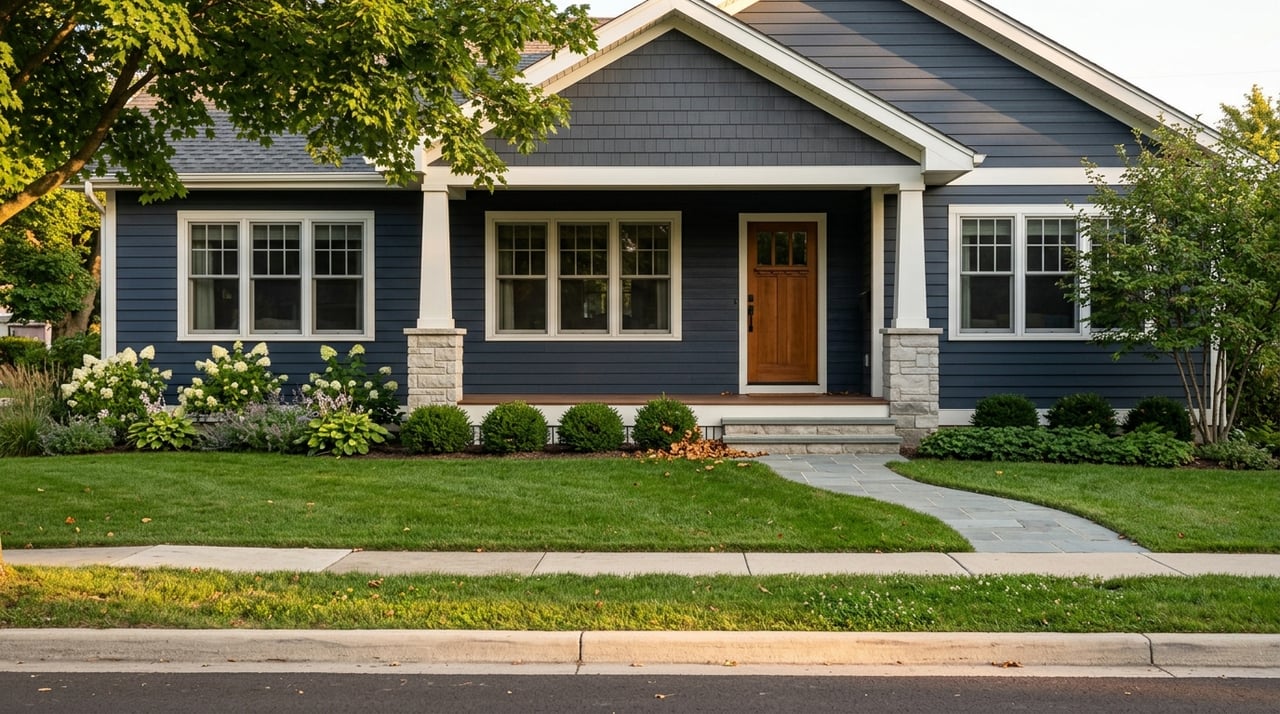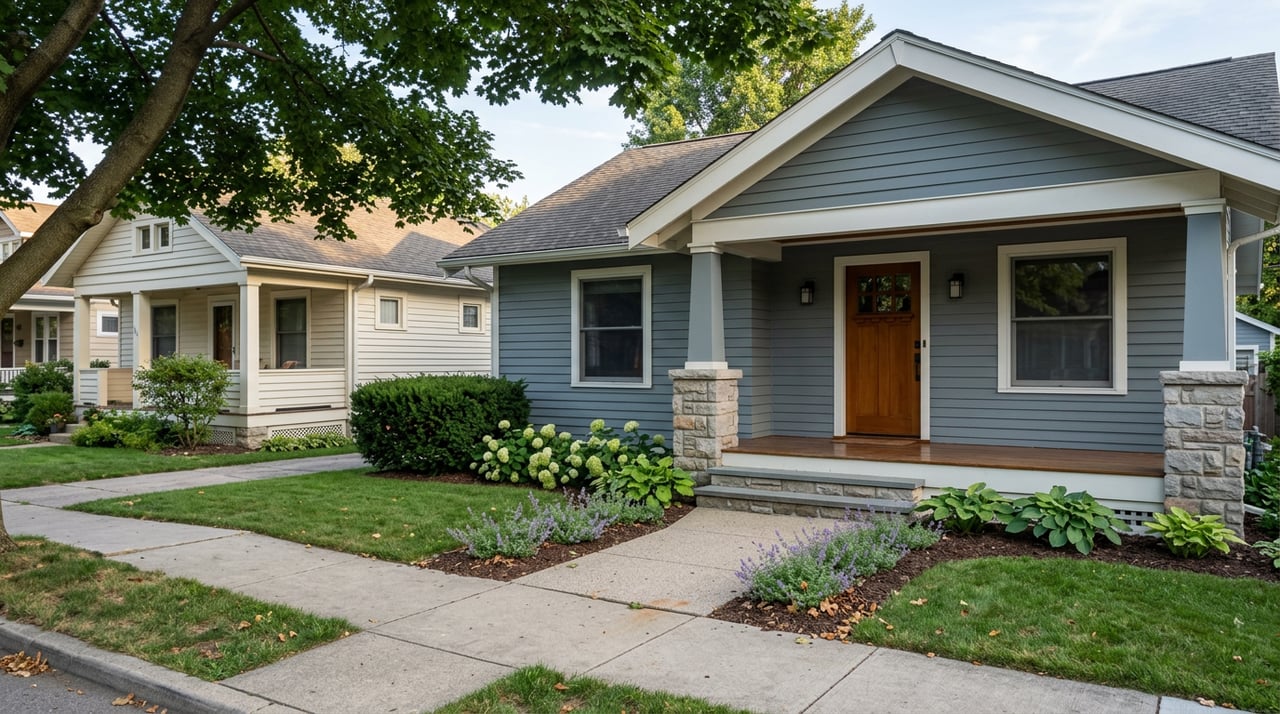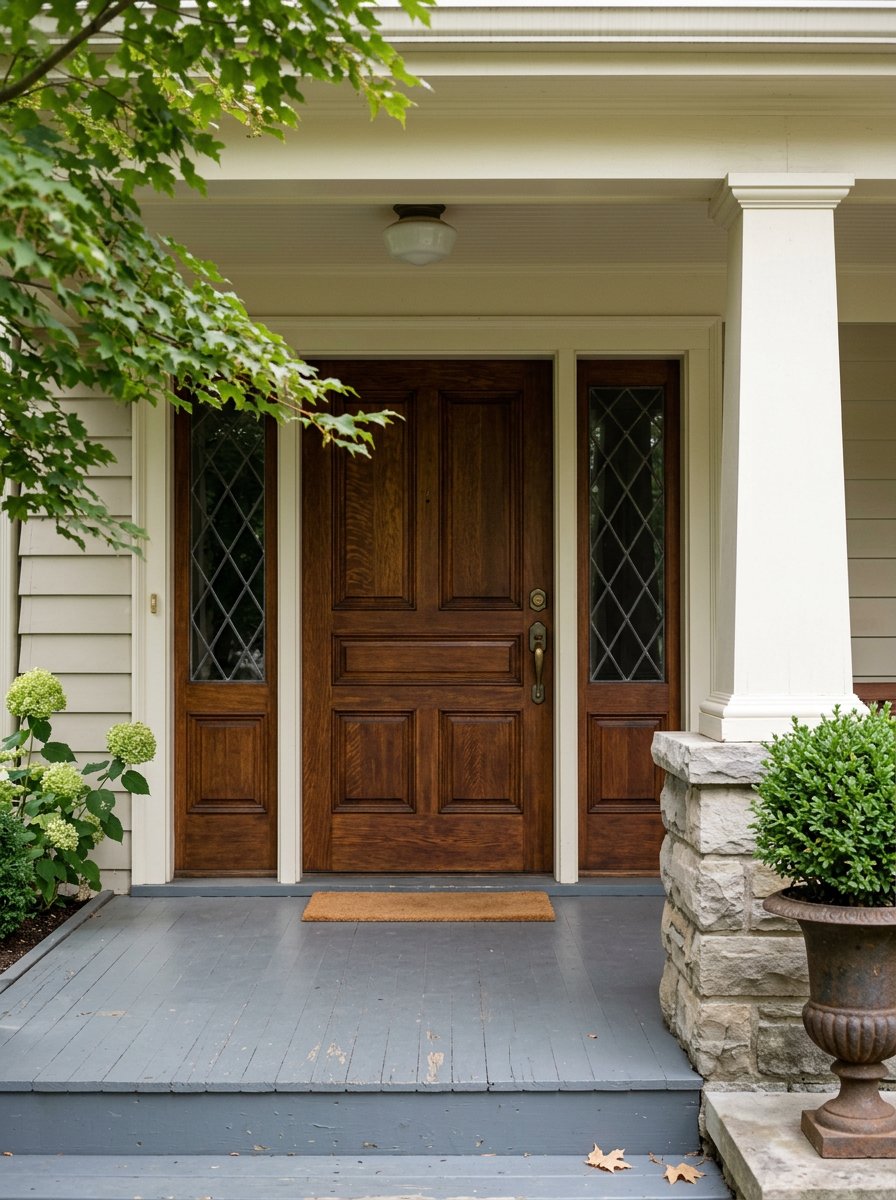
If you are drawn to wood porches, stained glass, and streets lined with stately homes, Heritage Hill is hard to resist. Buying here means you get character and history, but it also brings rules, timelines, and extra due diligence. This guide gives you a clear path through approvals, inspections, contractors, and incentives so you can buy with confidence. Let’s dive in.
Why Heritage Hill stands out
Heritage Hill is one of Grand Rapids’ best known historic districts, with homes from the late 1800s and early 1900s. Many properties are architecturally significant and contribute to the district’s character. The neighborhood’s active association, homeowner resources, and popular home tours help keep its legacy alive.
Because much of Heritage Hill sits within a locally designated district, exterior work visible from the street is typically regulated. That means you will likely need city review before major outside changes.
How historic rules work in Grand Rapids
Grand Rapids requires a Certificate of Appropriateness (COA) for most exterior work in local historic districts. A COA is different from a building permit. You generally need COA approval first, then the city issues permits as needed. Some items can be approved by staff, while others go to the Historic Preservation Commission for a hearing. You can review the process and talk with staff on the city’s COA page to understand what your project might involve.
Plan review for permits is usually quick, but board or commission approvals add time. The City’s Development Center notes that many plan reviews take about 5 business days, while board or commission steps can add weeks to months to your pre‑construction calendar.
When the city reviews your plans, they use local guidelines and the Secretary of the Interior’s Standards for Rehabilitation. These standards guide how to treat windows, masonry, roofs, and other character‑defining features so the work fits the home and the district.
What typically needs approval
- Window replacement or major sash changes that affect appearance
- Siding and trim changes, porch alterations, or new railings
- Roofing that changes materials or visible details
- Additions, new decks, exterior doors, or visible HVAC locations
- Masonry cleaning or repointing, and chimney work
Routine maintenance that does not alter materials may be treated differently. Start with city staff to confirm your specific scope.
Quick start checklist
- Confirm the property is inside Heritage Hill’s local district boundaries with the City Planning Department.
- Review the city’s historic preservation guidance, then call staff to ask whether your plans would be staff‑level or commission‑level COA review.
- Ask the seller for past COAs, permits, and contractor or inspection reports to understand previous work.
- Build time for COA and permits into your purchase‑to‑close plan. Do not assume you can start exterior work right after closing.
You can learn more about COAs and the application process on the City of Grand Rapids site, and see general permit timelines on the Development Center page.
Due diligence before you write the offer
A standard home inspection is a good start, but older homes deserve extra attention. Systems may be original, unusual, or simply past their expected life. Use your inspection window to bring in the right specialists.
- Full home inspection by a pro who knows historic houses. Inspectors familiar with older homes look closely at knob‑and‑tube wiring, cast‑iron or galvanized plumbing, plaster and lath, attic framing, and basements. A historic‑savvy inspection helps you budget realistically.
- Electrical inspection. A licensed electrician can identify legacy wiring, overloaded panels, or aluminum branch circuits. Some insurers require upgrades or a mitigation plan before they will bind coverage, so catch this early.
- Structural review when needed. If you plan an addition or see settlement, major rot, or cracking, bring in a structural engineer. Documenting conditions early will save time later.
- Pest inspection. Termites and powderpost beetles can hide in porches, sill plates, or old framing. A WDI inspection can prevent costly surprises.
- Roof and chimney inspection. Older roofs, flashing, and masonry chimneys may need significant repair or relining. This is a common big‑ticket item on historic homes.
- Asbestos survey before renovation. Adhesives, floor tiles, insulation, and roofing in older homes can contain asbestos. A pre‑renovation survey tells you what must be managed or abated.
- Lead‑safe planning. For homes built before 1978, the EPA’s Renovation, Repair and Painting Rule requires lead‑safe work practices and certified firms when disturbing paint. Build this into your contractor selection and schedule.
- Radon test. Many Heritage Hill homes have basements, so test for radon as part of due diligence. Kent County promotes testing and provides guidance, and mitigation is recommended at 4 pCi/L or higher.
- Sewer scope. If the home has older cast‑iron or unknown lateral piping, a camera inspection can reveal issues before you own them.
Use your findings to negotiate repairs, credits, or extended timelines. If inspections reveal work that needs city approval or regulated abatement, factor that into both your budget and your closing calendar.
Plan your renovation and timeline
Historic projects shine when you plan in phases. A thoughtful sequence keeps your budget and approvals on track.
A simple phased approach
Pre‑purchase documentation and targeted inspections. Capture photos and baseline conditions while you still have access.
Scope development with a preservation‑minded architect or consultant. Identify character‑defining features and outline the least invasive path to meet your goals. The Secretary’s Standards encourage repair over replacement where possible.
COA review and permits. Confirm early if your scope is staff‑level or commission‑level, then build that timing into your schedule.
Contractor selection. Choose firms with historic portfolios and proper certifications, including EPA RRP for any paint disturbance.
Construction and inspections. Expect careful sequencing, possible field discoveries, and, at times, a return to staff or commission if details change.
What to expect for timing
- City plan review for many permits often takes about 5 business days. If your project needs a Historic Preservation Commission hearing, add several weeks to a few months.
- Small projects, like porch repairs or selective window work, may run weeks to a few months once started.
- Moderate whole‑house updates with mechanical and electrical work often take several months.
- Major rehabilitations or phased restorations can span 9 to 18 months or more, based on scope, material lead times, and contractor capacity.
Historic work typically takes longer than modern remodels due to documentation, careful demolition, preservation techniques, and review cycles. Build in cushions for specialty craftsmen and materials.
Budget smart, with contingency
Specialty materials and skilled trades can carry a premium. Many preservation pros suggest a contingency around 20 percent to cover hidden conditions and specialized repairs. Also plan for carrying costs if the home is unoccupied during construction.
Who to hire and how to vet
The right team helps you avoid missteps and keeps your project aligned with preservation standards.
- Preservation‑minded architect or consultant. They can map character‑defining features, prepare COA materials, and design solutions that meet standards.
- Licensed structural engineer. Bring one in for major changes or when you see structural distress.
- Licensed electrician experienced with older homes. They can phase upgrades with minimal disruption.
- Lead‑safe certified painters and contractors. Confirm EPA RRP certification for any firm that will disturb paint.
- Chimney, masonry, and restoration carpenters. Seek trades with portfolios in historic districts.
Where to start: talk with City of Grand Rapids Planning and Historic Preservation staff to confirm review paths and submittal needs. Connect with Michigan’s State Historic Preservation Office (SHPO) for tax credit guidance and technical assistance. Local neighbors and the Heritage Hill Association can also be valuable sources for lived experience and referrals.
Hiring tips:
- Ask for references from recent historic projects, not just general remodels. Request before and after photos.
- Verify EPA RRP certificates for paint‑disturbing work and appropriate asbestos credentials when demolition is planned.
- Clarify who prepares COA applications and who will attend any commission hearing.
Incentives, insurance, and resale
You may be able to offset part of your rehab costs with historic incentives.
- Michigan State Historic Tax Credit. Michigan offers a state credit, including categories for owner‑occupied residences. Program rules, caps, and application windows can change, so check the current details before you plan your budget.
- Federal 20 percent Historic Rehabilitation Tax Credit. This credit is for income‑producing historic buildings and uses a three‑part review. Owner‑occupied primary residences do not qualify for the federal credit.
On insurance, older systems can affect underwriting. Insurers often require electrical upgrades or proof of mitigation plans when knob‑and‑tube wiring or other legacy systems are present. Check availability and requirements early, ideally during your inspection window.
Well‑maintained historic homes in Heritage Hill attract strong interest from buyers who value character and craftsmanship. Thoughtful stewardship and documented improvements tend to support future resale.
Stewardship and maintenance
A written maintenance plan preserves both beauty and value. Prioritize keeping the building weather‑tight: roofs, gutters, flashing, and drainage. Maintain exterior paint and woodwork on regular cycles to prevent bigger repairs later. For masonry, use appropriate repointing techniques and materials to protect the brick and stone.
Keep records of your work with dates, contractors, and photos. Documenting conditions and treatments helps with future COA applications and supports resale.
Local resources at a glance
- City of Grand Rapids — Certificate of Appropriateness (COA) process and Historic Preservation Commission guidance.
- City of Grand Rapids — Development Center overview of permits and plan review timelines.
- National Park Service — Planning Successful Rehabilitation and the Secretary’s Standards.
- Michigan SHPO / MiPlace — State Historic Tax Credit program and technical assistance.
- EPA — Lead Renovation, Repair and Painting (RRP) Rule for lead‑safe work.
- Kent County Health Department — Radon testing information and local kits.
Ready to find your place in Heritage Hill and navigate the process with confidence? Let’s plan your path, from the first showing to the last permit. Reach out to Matt Goldman for concierge‑level guidance tailored to historic homes.
FAQs
Do I need permission to replace windows or change siding in Heritage Hill?
- Exterior changes to character‑defining features usually require a Certificate of Appropriateness; start with the City’s guidelines and staff to confirm your scope.
Will a Heritage Hill home be harder to insure or sell?
- Legacy systems like knob‑and‑tube wiring can impact underwriting, but homes are often insurable once modernized; well‑maintained historic homes tend to sell well.
Can I use tax credits for my renovation in Heritage Hill?
- Michigan offers a state historic tax credit for eligible owner‑occupied projects; the federal 20 percent credit applies to income‑producing historic buildings, not primary residences.
How long does approval take before I can start work?
- Many permit reviews take about 5 business days, but Historic Preservation Commission steps can add several weeks to a few months before construction begins.
What inspections should I do before buying a historic home?
- In addition to a full home inspection, prioritize electrical, roof and chimney, pest/WDI, radon testing, sewer scope, and specialist reviews for structural, lead, and asbestos when renovation is planned.