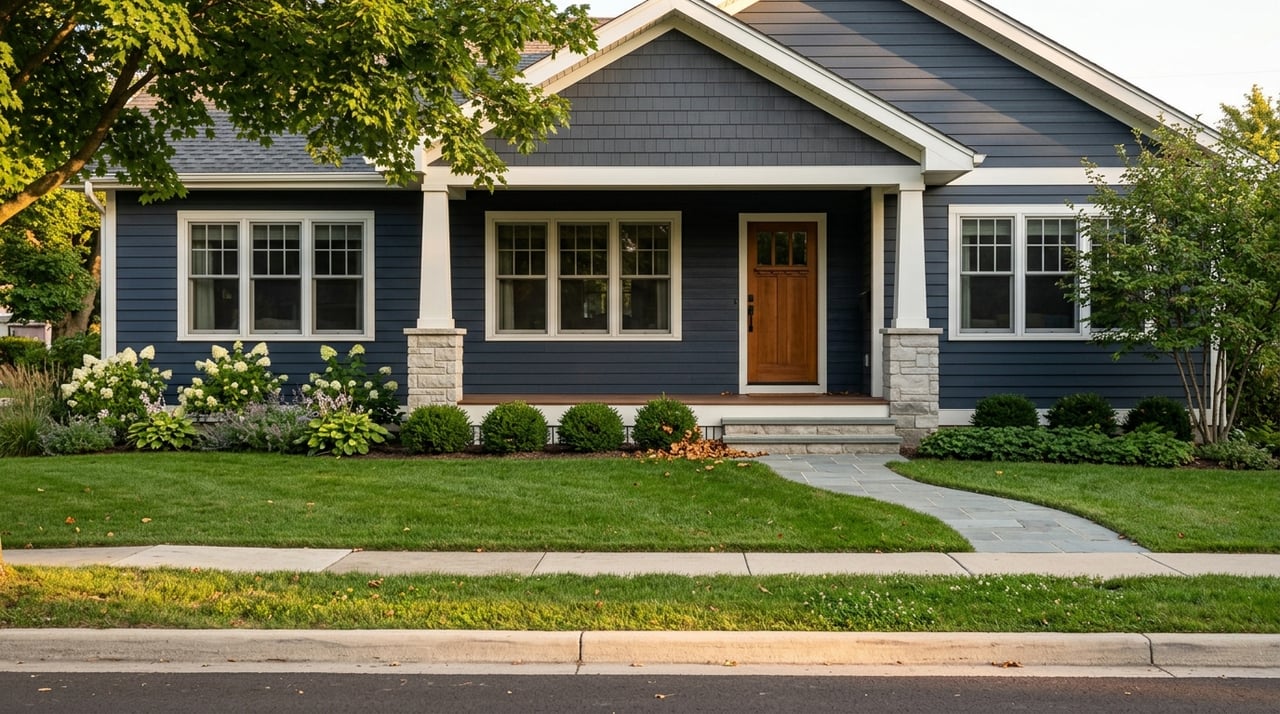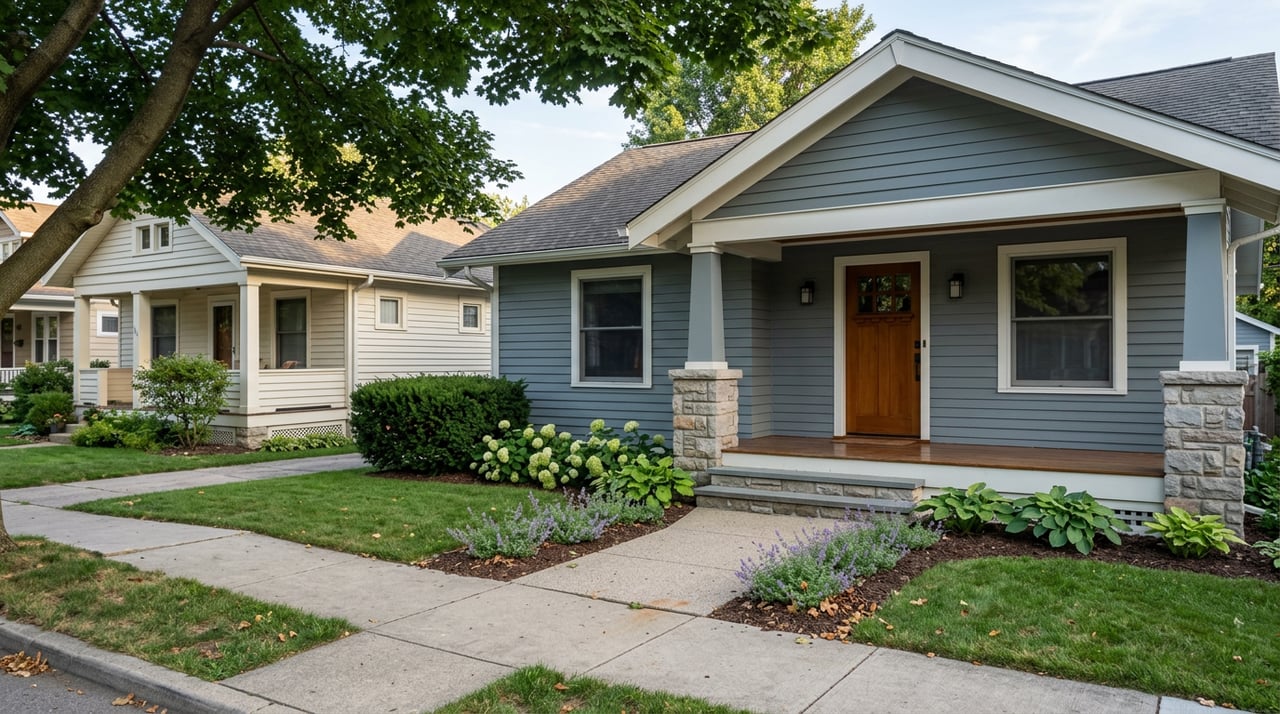
Outgrowing your starter home in Wyoming, Michigan? You are not alone. Many West Michigan homeowners are looking for more space, better function, and long-term comfort while trying to time the market and protect their finances. In this guide, you will learn how to map a smooth move from your current home to your next one, with local 2026 pricing context, financing paths, Michigan-specific taxes, and a practical timeline you can follow. Let’s dive in.
Wyoming market snapshot 2026
Early 2026 data shows a balanced but quick-moving market in many Wyoming neighborhoods. Median sale price ranges from about $257,000 to $297,000 depending on the data vendor and month. Homes often go under contract in roughly 12 to 17 days in aggregate reports, though pace varies by area and price point. Average asking rents hover near $1,550 per month, which can help you budget for a short-term rental if you sell before you buy. Always verify the latest neighborhood stats with current MLS data when you are close to listing.
Neighborhood styles span mid-century streets to newer subdivisions. Areas like Garfield Park, Alger Heights, and the Ken-O-Sha Park corridor offer a mix of smaller starter homes and larger move-up options. School district boundaries, commute routes, and lot sizes shift across the city, so match your wish list to micro-markets before you act.
Common move-up paths
There are three core strategies most Wyoming homeowners use to transition from a starter to a forever home. Your best choice depends on your equity, risk tolerance, and the competitiveness of your target neighborhood.
Sell first, then buy
This lowers financial exposure because you do not carry two mortgages. You list, accept an offer, close, then use your proceeds for the next purchase.
Pros:
- Lower risk and simpler financing.
- Clear budget once you know your net proceeds.
- Fewer moving parts at closing.
Cons:
- You may need short-term housing or storage.
- Timing pressure if your ideal home hits the market before you sell.
Local signal: In hotter price bands where listings go pending in a couple of weeks, buyers may accept clean offers from sellers who have already closed. If you sell first, consider negotiating a short rent-back or extended possession so you can shop with less stress.
Buy first, then sell
You secure the new home before listing your current one. Buyers often use a bridge loan, a cash-out refinance, or a home equity line of credit (HELOC) for the down payment.
Pros:
- You can write a stronger, non-contingent offer.
- Only one move and easier staging of your old home.
- More control over timing.
Cons:
- You may carry two payments briefly.
- Bridge or HELOC financing can have higher rates and fees.
Financing notes:
- HELOCs are revolving lines of credit secured by your current home. They are usually variable-rate and can expose you to payment changes. Review consumer protections in the Consumer Financial Protection Bureau’s guidance and disclosures. See the CFPB’s overview in the Financial Literacy materials for context on how lenders underwrite and disclose these products: CFPB consumer materials.
- Cash-out refinances can return equity for a down payment, but agency programs typically limit total loan-to-value around 80 percent for primary homes. Program rules change, so confirm terms with your lender.
Local signal: If your target neighborhood is seeing fast acceptances and multiple offers, removing a home-sale contingency and showing verified funds can improve your odds.
Contingent offer plan
You write an offer on your next home that is contingent on selling your current one. The seller may include a “kick-out” clause that allows them to keep marketing the home.
Pros:
- Protects you from owning two homes at once.
- Works well for unique homes, off-market opportunities, or slower submarkets.
Cons:
- Less competitive in faster pockets of Wyoming.
- Timelines can be tight if both deals move quickly.
Coordination tips:
- Negotiate for extended possession or a short rent-back to bridge your gap.
- Get your listing market-ready before you write the contingent offer so you can hit the market fast if needed.
Costs, taxes, and net proceeds
Understanding Michigan-specific costs helps you set a smart price and timeline.
Transfer taxes in Michigan and Kent County
Michigan assesses a state real estate transfer tax and many counties add a county tax. The commonly used arithmetic is state $3.75 per $500 of price plus county $0.55 per $500, for a combined rate near $8.60 per $1,000, paid at recording unless exempt. Review the State Real Estate Transfer Tax Act and check for current county practices and exemptions:
- State statute overview: Michigan State Real Estate Transfer Tax
- County details: Kent County transfer tax guidance
Property tax “uncapping” after a sale
Under Michigan’s Proposal A rules, when a property transfers ownership, the taxable value typically “uncaps” and resets based on current assessed value for the buyer. That can change the buyer’s tax bill after closing. Review the state’s guidance: Michigan Treasury transfer-of-ownership guidelines.
Federal and state tax basics on your sale
Many sellers can exclude up to $250,000 of gain if single, or up to $500,000 if married filing jointly, under IRS Section 121, if they meet the ownership and use tests. Start here: IRS Publication 523. If you have a complex situation, consult a tax professional.
If you have taxable gain after the federal exclusion, Michigan applies a flat state income tax rate. For 2025–2026, state guidance lists a 4.25 percent rate. Confirm current rates here: Michigan tax year guidance.
How to estimate tappable equity
Equity is your home’s current market value minus your outstanding mortgage balance. For a rough estimate, request a current comparative market analysis and check your mortgage payoff amount. As an example, if your home is worth about $300,000 and your mortgage balance is about $180,000, your equity is about $120,000. If a lender allows an 80 percent total loan-to-value for cash-out, you could potentially access 0.80 × 300,000 minus 180,000, or about $60,000, subject to program and underwriting rules. For consumer protections and disclosures on home-secured credit, review CFPB guidance.
HYPOTHETICAL seller net-proceeds example
Assumptions for illustration only:
- Sale price: $300,000
- Mortgage payoff: $180,000
- Agent commissions: 5.5 percent ($16,500)
- Transfer taxes: about 0.86 percent ($2,580)
- Other closing costs: about 2 percent ($6,000)
Calculation:
- Sale price: $300,000
- Less commissions (5.5%): −$16,500
- Less transfer tax (~0.86%): −$2,580
- Less other closing costs (2%): −$6,000
- Less mortgage payoff: −$180,000
- Estimated net proceeds: $94,920
These numbers are directional. Your actual net depends on contract terms, prorations, and final payoffs. Use county and state guidance for transfer tax math and discuss commission structure and services with your listing agent.
Timing and coordination
Follow this simple sequence to control the move and reduce stress.
Update value and get pre-approved. Ask for a data-rich CMA and connect with a lender for pre-approval. If you plan to buy first, confirm how much overlap you can carry and what financing options fit.
Choose your path. Decide whether you will sell first, buy first, or write a contingent offer. If competitiveness is key, prepare a HELOC or bridge plan with your lender and have proof of funds ready.
Prep your home to shine. Complete repairs, declutter, and schedule professional media. In faster submarkets, a well-prepped, well-priced home can go under contract in days. In others, plan for a few weeks and watch the data.
Line up title and possession. If your sale and purchase will be close together, start coordination with title companies early so payoffs, prorations, and transfer taxes are accurate. If using a rent-back, sign a short written agreement, confirm insurance, and escrow funds for security.
Do a tax check. Review potential capital gains exposure with your CPA, plus the timing of repairs and their treatment. Read the basics in IRS Publication 523.
Tip: Track interest-rate trends as you plan. The Freddie Mac Primary Mortgage Market Survey offers helpful national context: Freddie Mac PMMS.
Starter, move-up, forever options
Starter homes in Wyoming often include smaller single-family houses or townhomes with 2 to 3 bedrooms and manageable yards. These can be a great equity-building first step, especially if you value short commutes and simple upkeep.
Move-up homes commonly add a fourth bedroom, a larger kitchen, finished lower level, and a two-stall garage. You will find many of these in 1990s and early-2000s subdivisions and along quieter streets set back from busier corridors. Prices vary by size and location, so use recent neighborhood comps to set expectations.
Forever homes tend to prioritize long-term layout, one-floor living or a main-floor primary suite, larger lots, energy upgrades, and outdoor living spaces. If schools are part of your decision, review district boundaries and busing information on the district site for clarity: Wyoming Public Schools. Keep the discussion focused on your needs for commute, space, and lifestyle.
How we help you move up
You deserve a move that feels organized, calm, and tailored. Our hospitality-first approach pairs market data with concierge-level execution so you can list with confidence and buy with clarity.
- Concierge Listing Technique: We handle preparation, professional media, and presentation that elevates your home and attracts strong offers.
- Buyer Advantage Program: We help you structure a winning offer strategy, from financing prep to possession terms that protect your timeline.
- Data-informed negotiation: We use real-time local comps and contract terms to reduce friction and keep your move on track.
Ready to plan your next move in Wyoming? Reach out to Matt Goldman for a personal game plan and a calm, concierge experience from first conversation to final keys.
FAQs
What is the 2026 market pace in Wyoming, MI?
- In early 2026, aggregated reports show many Wyoming listings going under contract in roughly 12 to 17 days, with median sale prices around the mid-to-upper $200s; always confirm current neighborhood data with your agent.
How much equity do I need to move up in Wyoming, MI?
- You need enough for a down payment and closing costs or access to tappable equity via a HELOC or bridge option; use the 80 percent loan-to-value example to estimate and review CFPB guidance before choosing.
Can I avoid capital gains tax when selling a Wyoming, MI home?
- Many sellers qualify to exclude up to $250,000 (single) or $500,000 (married filing jointly) of gain under Section 121 if they meet ownership and use tests; start with IRS Publication 523 and consult a tax pro.
What are Michigan transfer taxes when selling in Kent County?
- The typical calculation combines state tax at $3.75 per $500 and county at $0.55 per $500, about $8.60 per $1,000 in total; review the state statute and Kent County guidance.
How do school districts factor into a move within Wyoming, MI?
- District boundaries can influence taxes, schedules, and transportation; verify current maps and enrollment details directly with the district at Wyoming Public Schools and align them with your daily needs.
Will my property taxes change after I buy a new home in Michigan?
- Michigan’s Proposal A rules often “uncap” taxable value at transfer, resetting the buyer’s tax base to current assessed value; review the state’s guidelines and ask your agent and lender to model it into your monthly budget.